

What is an Equipment Engineer?
Equipment engineers are the planners behind every machine in motion. They manage the placement, use, and movement of equipment like cranes and loaders across sites. With technical precision and situational awareness, they determine what’s needed, where to position it, and how it drives project flow. Their role blends mechanical expertise with logistical control, ensuring machinery supports progress without delay or disruption.
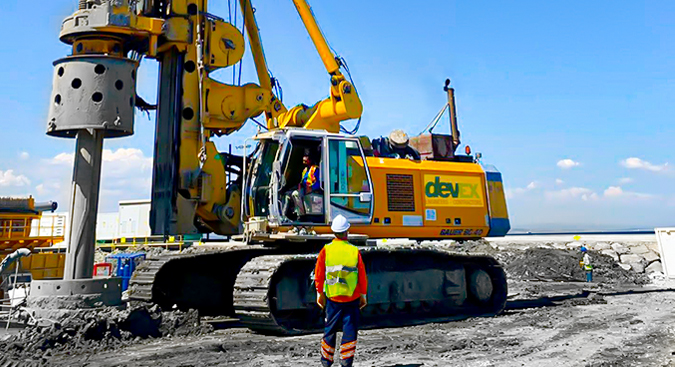
Core Functions of an Equipment Engineer
Equipment engineers do more than just keep machines running—they manage the logistics, strategy, and data behind every deployment. From planning where equipment goes to evaluating its cost-effectiveness, their work ensures that machinery supports operations smoothly, stays aligned with project goals, and delivers long-term value.
Common tasks include:
- Monitoring site equipment assignments – Keeping logs of where equipment is deployed, including usage and condition.
- Coordinating dispatch and retrieval – Working with operations teams to transport machines where they’re most needed or pull them out for scheduled servicing.
- Procurement and Evaluation – Assist in selecting the right machinery for the job, considering cost, compatibility, and long-term performance. They also evaluate suppliers and technologies before purchase.
- Project Coordination – Coordinate with project managers and logistics teams to align equipment availability with construction timelines, helping avoid bottlenecks.
- Equipment Lifecycle Planning – Develop strategies for upgrading, phasing out, or refurbishing machines. This helps extend equipment life and avoids the need for frequent emergency repairs or replacements.
- Cost Analysis – Analyze operating costs, fuel consumption, repair histories, and rental vs. ownership data to help the company make informed financial decisions regarding equipment.
- Technical Documentation – Maintain technical records, inspection logs, and service histories to support audits, insurance claims, or internal reporting.
- Training Support – They may orient or assist in training operators or site staff in proper usage, safety protocols, or new technology applications.
What are their contributions?
What sets equipment engineers apart is their ability to coordinate heavy equipment across multiple sites. They provide a live map of construction units, ensuring each project site has the right tools at the right time. And when machines aren’t performing as they should, they’re the first to act.
In essence, equipment engineers ensure that heavy machinery doesn’t just sit idle—it moves with purpose, supports workflow, and stays dependable until the job is done.
Beyond maintaining equipment, they help ensure systems run reliably under different conditions. Their skills help reduce costs, increase productivity, and improve safety. By staying up to date on standards and practices, they support long-term fleet performance and operational success.
Author: Gabriel Amarinero