

Exploring the Stages of Construction
Every building starts as an idea, but turning that idea into reality takes planning, skill, and precision. whether it’s an office building or a factory, construction follows a step-by-step process with safety, function, and efficiency in mind. From the group up, every stage plays a key role in turning plans into existence. But how does a project go from design to a fully functional structure?
Excavation
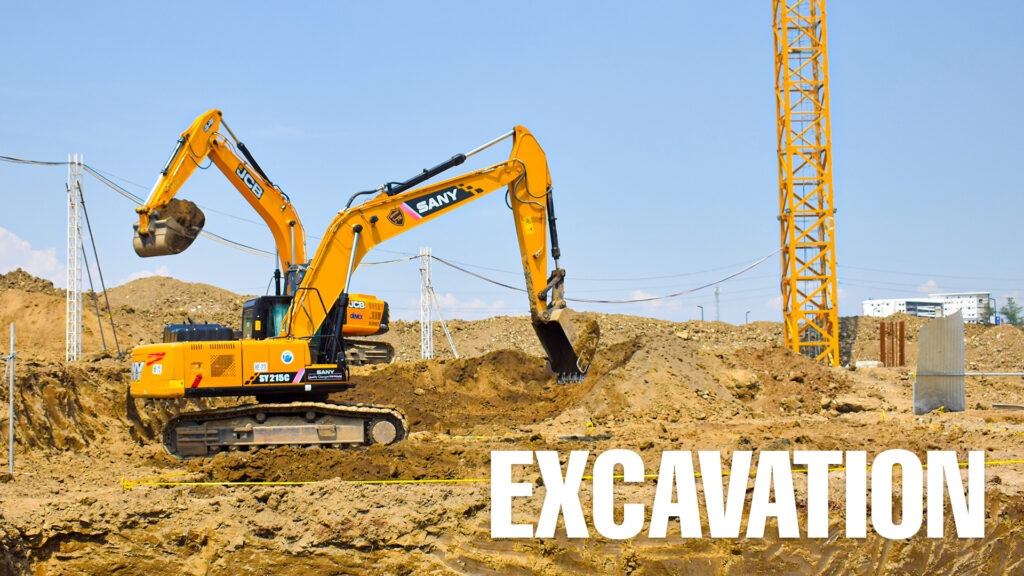
Before construction begins, site engineers and excavation workers prepare the land. They clear vegetation, remove debris, and conduct earthworks to achieve a stable base for the foundation. Excavation also involves digging trenches for underground utilities such as drainage, plumbing, and electrical conduits. Proper excavation prevents soil shifting, which could compromise the structure’s integrity.
Foundation
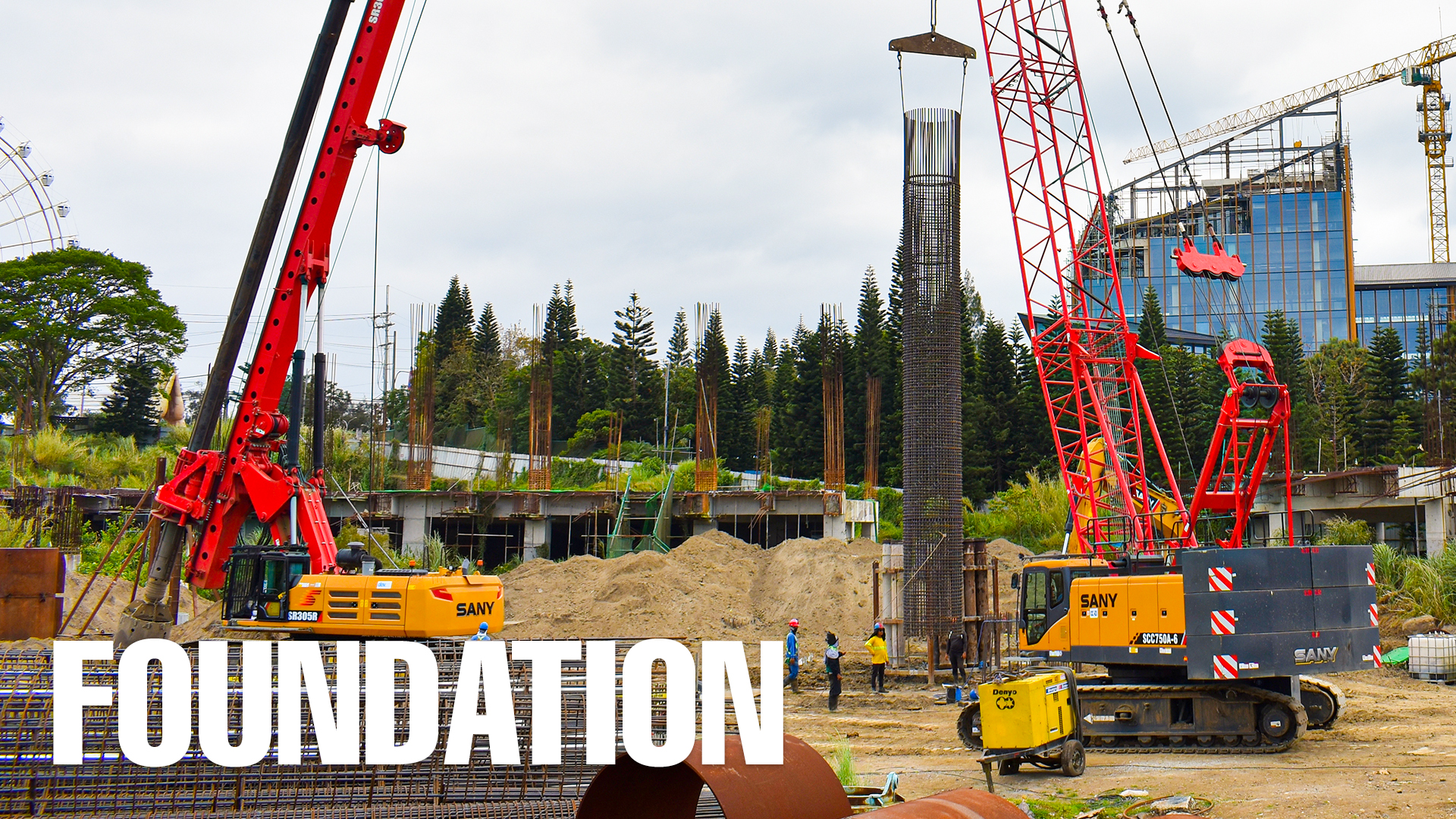
The foundation supports the entire building, distributing its weight evenly to the ground. Structural engineers and construction teams choose between different foundation types, such as shallow foundations (slab-on-grade, strip footings) or deep foundations (piles, caissons) depending on soil conditions and building requirements. Reinforced concrete is typically used to obtain strength and prevent settlement over time.
Columns
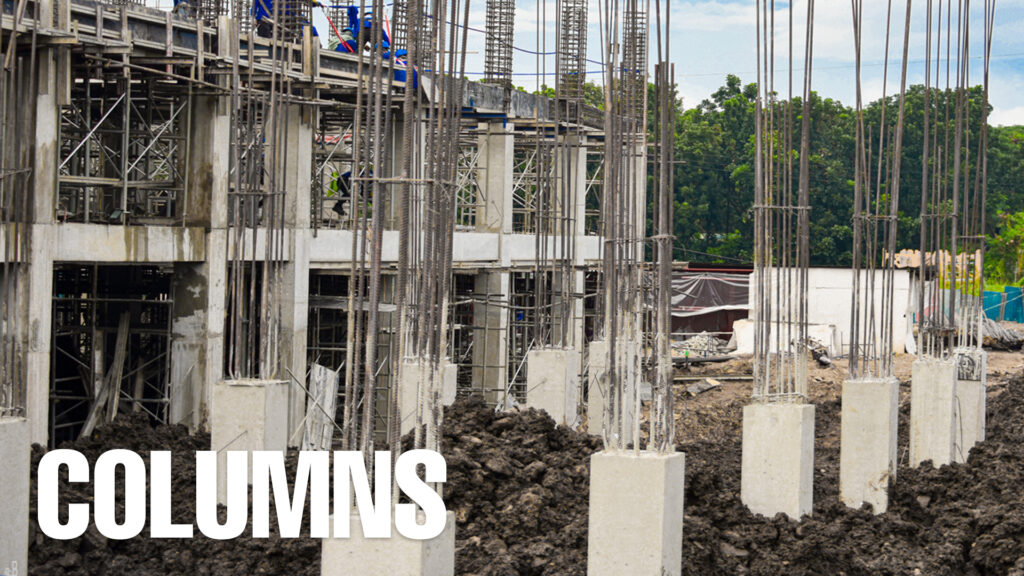
Vertical supports are installed to transfer the building’s load from the upper floors to the foundation. These columns are made from reinforced concrete or steel and play a major role in structural integrity and seismic resistance.
Slabs and Beams
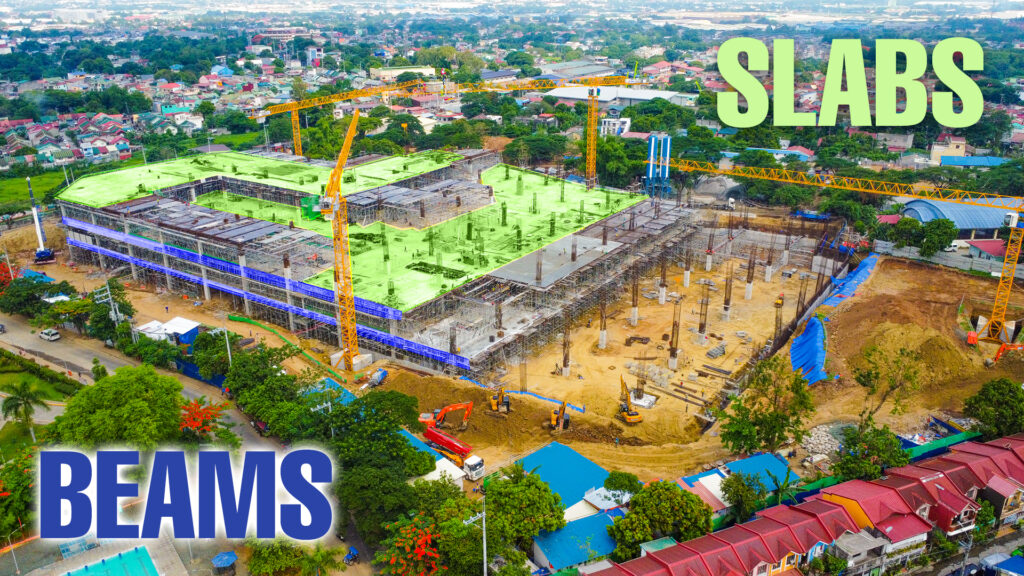
Slabs form floors and ceilings, while beams provide horizontal support and evenly distribute loads. Reinforced concrete is commonly used to reach the desired durability. Engineers closely monitor the curing process to prevent cracks and structural weaknesses.
Roofing or Top-off
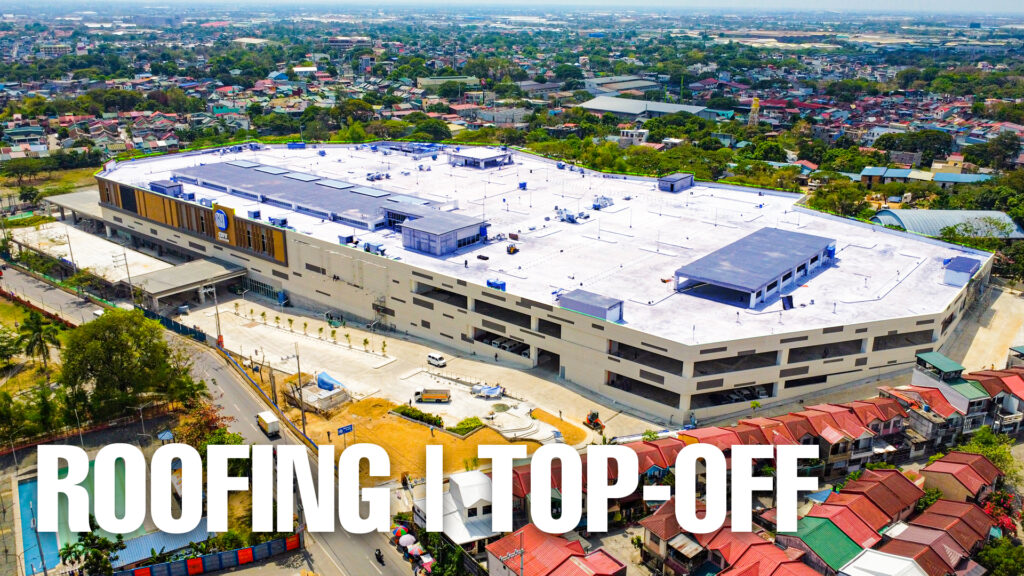
Once the main structure is complete, roofing specialist install the roof, marking a major milestone in protecting the building from weather conditions. Depending on the project, trusses, metal sheets, or concrete slabs may be used.
Façade
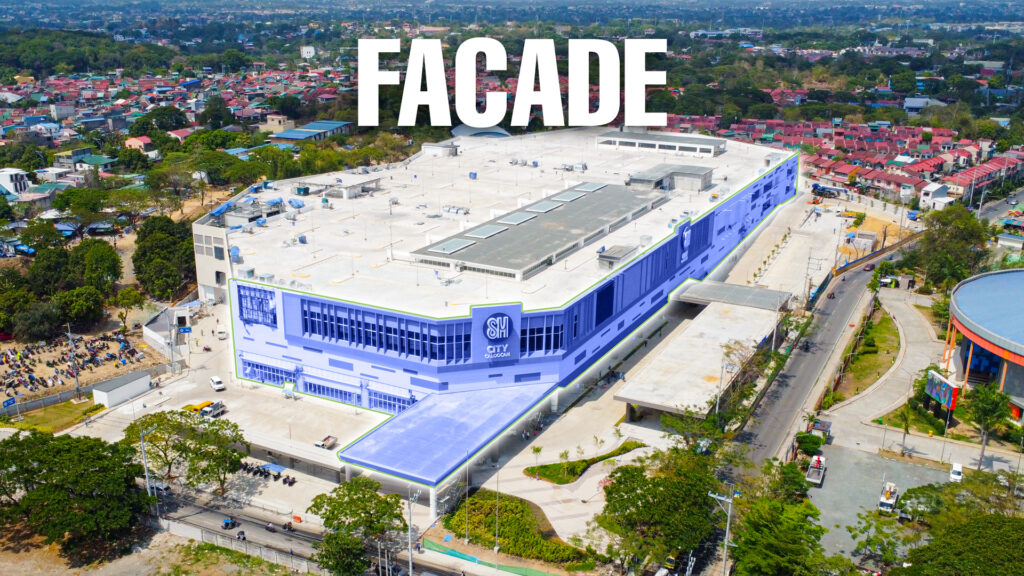
The façade defines the building’s exterior appearance and enhances weather resistance. These may be in the form of glass panels, concrete, or metal cladding to improve aesthetics and insulation. The choice of façade also impacts energy efficiency and ventilation.
Wall Partitions
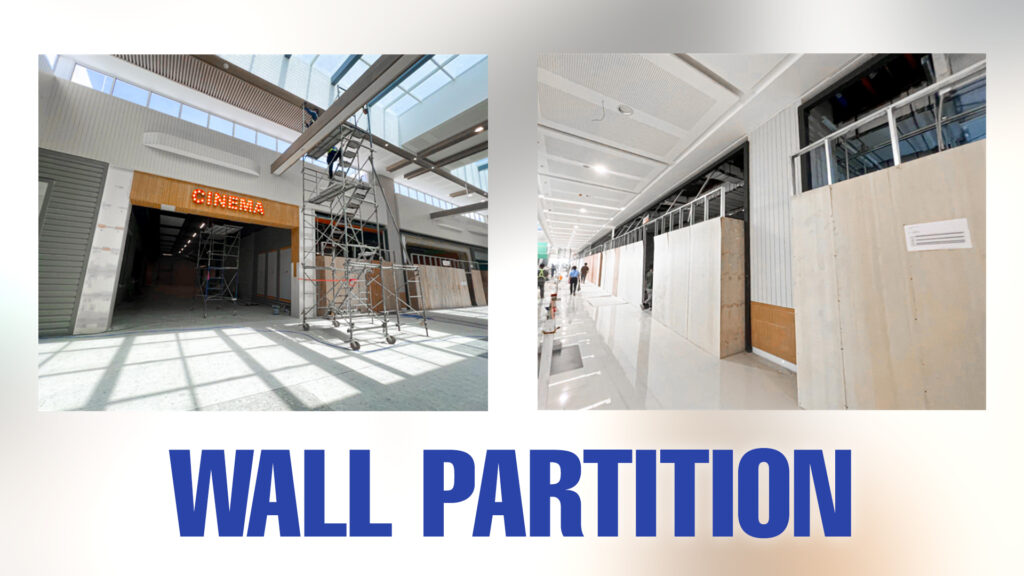
With the structure in place, installing wall partitions are important to define rooms and spaces depending on the project’s design and purpose. Proper partitioning improves space efficiency, compliance with building codes and fire safety regulations.
Example:
- Concrete block walls for load-bearing strength
- Drywall partitions for flexible interior layouts
- Glass walls for modern aesthetics and open workspaces
Ceiling Works
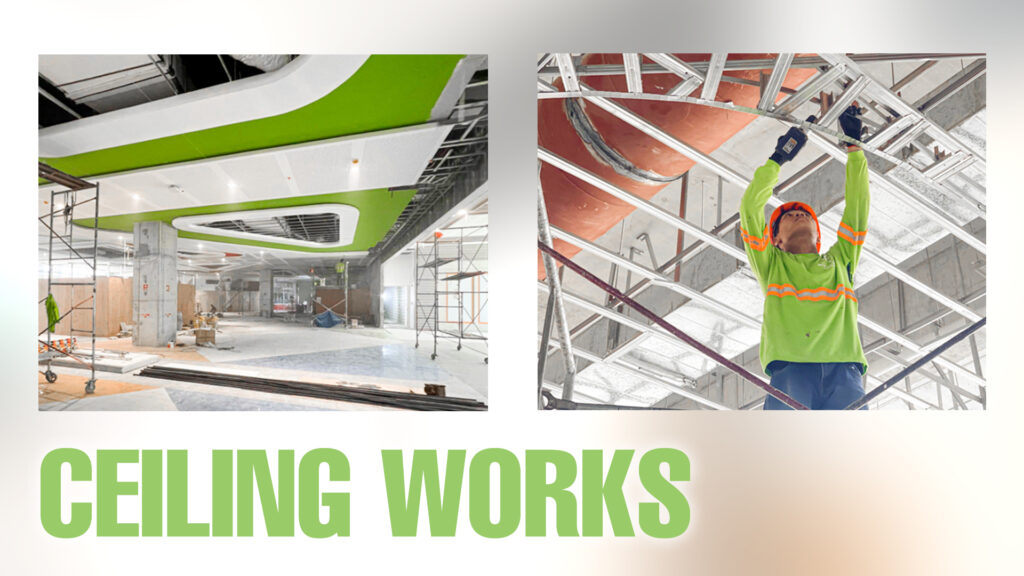
Ceiling is a key step in improving the interior look, acoustics, and insulation of the building. Technicians fit suspended ceilings, exposed beams, or decorative panels while concealing mechanical, electrical, and plumbing systems. Good ceiling work results in better lighting distribution, noise control, and thermal efficiency.
Fit-Out
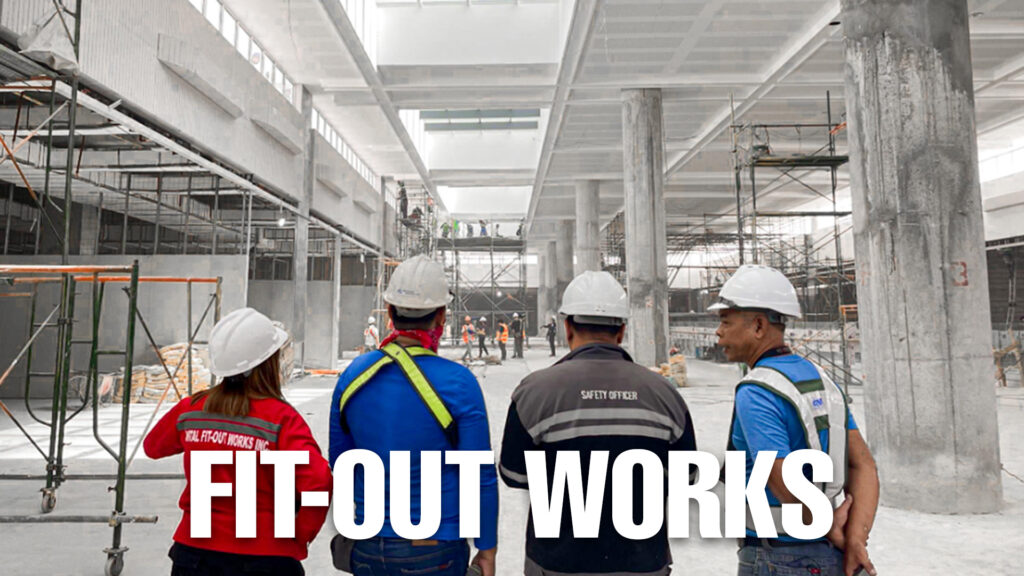
For office and commercial projects, customized interiors are designed to meet the specific needs of the client, ensuring a seamless and ergonomic enviornment. The building becomes functional as teams install flooring, lighting, plumbing, HVAC systems, and fixtures. This phase customizes the space to meet operational and elegance requirements.
Painting Works

Painting and finishing teams apply interior and exterior coatings to protect surfaces and enhance aesthetics. Paint selection is crucial for weather resistance, moisture control, and fireproofing. Additionally, coatings like epoxy, waterproof sealants, and anti-microbial finishes are used in industrial or healthcare facilities for added protection.
Project Completion
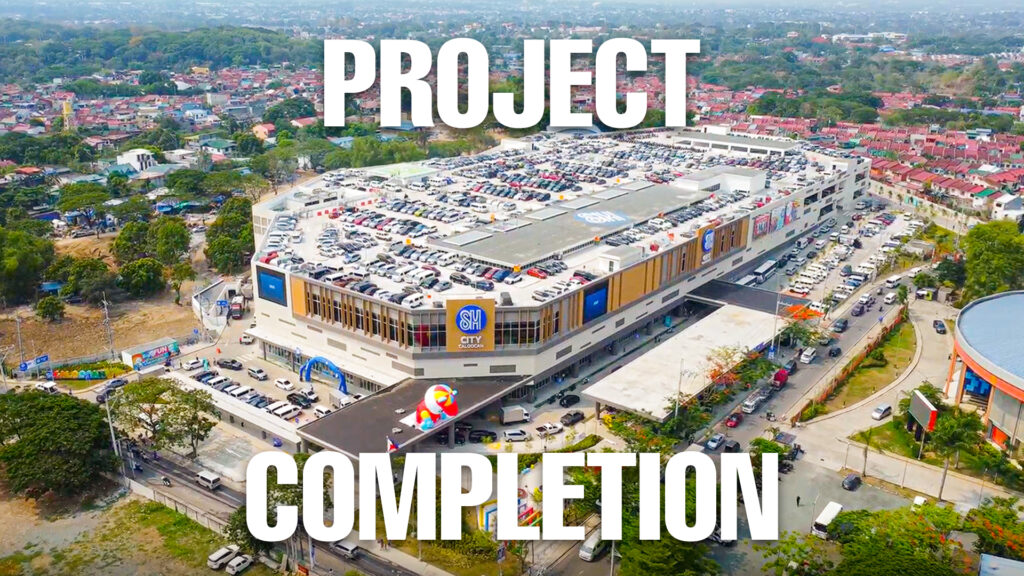
The final stage involves comprehensive inspections, testing, and documentation before handing over the completed project to the client. Project managers, engineers, and safety inspectors conduct quality control checks to guarantee compliance with building codes, safety regulations, and client specifications. Once everything meets the highest quality standards, the project is officially completed.
Construction is more than just assembling materials—it’s a carefully coordinated process that transforms plans put on paper into concrete reality. From groundwork to finishing touches, success relies on skilled execution, quality control, and engineering excellence. Every stage shapes not just structures but the future.
Author: Gabriel Amarinero